There are perhaps two dozen estates in Napa Valley that do not publish a booking link, do not answer a general tasting inquiry, and do not particularly want to. Their allocations are spoken for, their hospitality teams are small, and their calendar is decided by relationships rather than availability.
Guests often assume access is a matter of paying more. It rarely is.
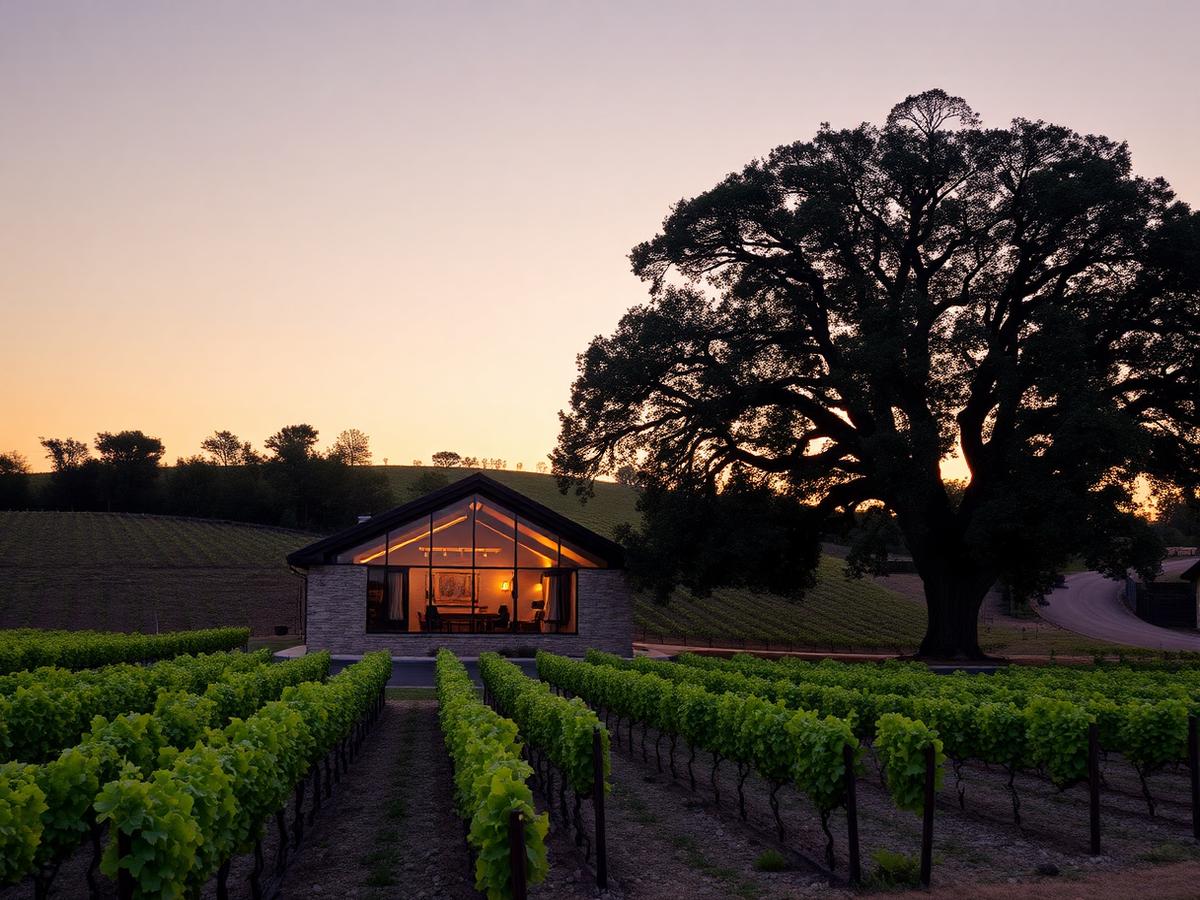
A private tasting set on an estate courtyard table
“Access is not a transaction. It is a relationship someone has maintained for twenty years.”
What actually opens a door
An introduction that explains who is coming and why. Estates at this level want to know whether a guest is collecting, whether they have tasted the wines before, whether the visit is a celebration, and how many people will be at the table. A thoughtful two-sentence context does more than any request for a premium experience.
Timing helps too. A Tuesday morning in February is a very different ask from a Saturday in October, and the same estate that cannot host you during crush will happily give you two hours in the off-season.
How we handle it
We keep a short list of estates where our advisors know the hospitality director by name, and we do not overspend that goodwill. That means we will sometimes suggest a different property than the one you named — not because access is impossible, but because the alternative is a genuinely better fit for the way you like to taste.
It also means we hold ourselves to the details: arriving on time, keeping group sizes to what was agreed, and following up afterward. Those things are why the door opens again next year.
What to expect once inside
Expect fewer people, longer pours, and a conversation rather than a script. Expect to walk the block the fruit came from. Expect the winemaker, or someone who works beside them daily, to sit down with you.
And expect to buy something. Not because anyone will ask — they won't — but because the wines in these rooms rarely leave them.